
|
Mike Foulis, HIS
|

You might think hearing challenges sound like silence, but most of the time, they can sound like mumbling.
There’s a reason this happens, and it’s not what most people expect. When sensitivity to high-frequency sounds declines, speech may remain loud enough, yet clarity fades. You can hear people speaking, but their words become harder to understand.
That subtle shift was exactly what brought Richard to our hearing clinic.
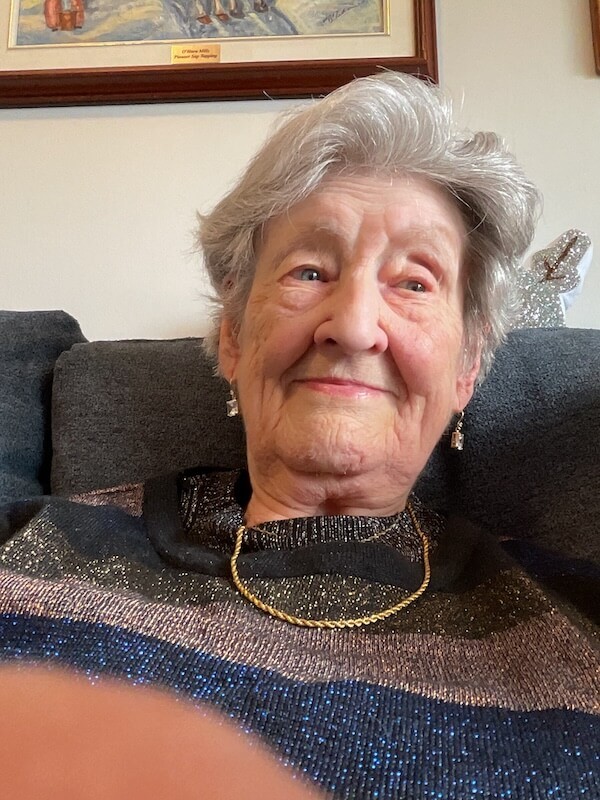
"The first time I admitted to myself that I had a hearing problem was when I realized that everybody else was mumbling. Weirdly, the very day that I got my hearing aids, everybody stopped mumbling," he explained.
With October marking National Audiology Month, Richard's journey offers a timely reminder of what happens when you finally stop brushing aside those subtle signs and choose to reconnect with your everyday life.
Why Family Support and Expert Care Change Everything
Loved ones often notice hearing challenges before you do.
They may notice the television volume creeping up in the living room, or maybe they spot the moment you pull back during family dinners, sitting quietly rather than jumping into the banter. When Richard's family began nudging him to seek help, his immediate reaction was one many of our patients share: hesitation about the financial commitment.
"Frankly, I didn't want to spend a lot of money, but my family insisted, and I'm very happy that they did," he shared.
It’s completely natural to pause at the cost, especially when it comes to high-quality medical technology. However, hearing care is about more than the devices themselves; it’s about protecting your safety, strengthening your relationships and supporting your mental clarity and overall well-being.
The first step toward these benefits is understanding your hearing needs. A comprehensive hearing assessment gives you a clear picture of your hearing health and helps us develop a personalized plan to reconnect you with the sounds and people you love.
The York Hearing Clinic Difference: Beyond "Good Enough"
At York Hearing Clinic, we believe clinical expertise should always go hand in hand with genuine empathy. That means providing comprehensive, personalized care that considers the whole person, rather than simply fitting someone with hearing aids and sending them on their way.
Richard experienced this approach firsthand: “Everyone at York Hearing Clinic is very personable, understanding and yet very professional. I felt immediately that they really did want to work with me to help me get my hearing back.”
Adjusting to amplified sound takes time, patience and careful fine-tuning. As your brain adjusts to sounds it may not have heard clearly for years, everyday noises, from the hum of a refrigerator to footsteps on hardwood floors, can gradually become familiar again. Finding the right settings is an important part of making that transition as comfortable and natural as possible.
Richard particularly appreciated the team's commitment to getting things right: “There were several times when they could have taken the easy out and settled for less, but they insisted on keeping tweaking things until I was very happy.”
At our clinic, that commitment is central to our approach. We carefully program advanced prescription hearing aids to suit your individual hearing needs and make precise adjustments based on your experience.
"Gobsmacked" Results: Re-Engaging with Your World
When hearing becomes difficult, social situations can lose their ease and enjoyment. Instead of focusing on the people around you, you’re left concentrating on what’s being said, which can leave you feeling drained and less inclined to join in.
With the right hearing care, that cycle can begin to change.
As Richard shared, “I used to tune out when I couldn't hear people talking. My son-in-law said it best when he told our daughter that he was just 'gobsmacked' at the difference in me, in that now I am very engaged and seemingly a different person.”
When conversations become clearer, you can reconnect with the people and moments that matter most. Whether you're enjoying a walk through Fairy Lake Park or catching up with family in King City and Richmond Hill, being able to participate fully makes all the difference.
Take the First Step This National Protect Your Hearing Month
Hearing challenges don’t have to create distance between you and the people you cherish most.
October is National Audiology Month, making it an ideal time to prioritize your hearing health. If you find yourself frequently asking people to repeat themselves or feeling as though everyone around you has started mumbling, don’t wait years to find out why.
Richard offers reassuring advice: “Trust me, these people definitely have your best interests in mind and want to see you more than happy with the results.”
Your hearing health plays an important role in your overall well-being, and the right care can make a meaningful difference in your everyday life. Take the first step toward clearer conversations and stronger connections today by contacting York Hearing Clinic to schedule your comprehensive hearing assessment.
Frequently Asked Questions (FAQs)
Q: What are some early signs that I should have my hearing checked?
A: Frequently asking people to repeat themselves, turning up the television or struggling to follow conversations in noisy environments can all be signs that it’s time to have your hearing checked. You may also notice yourself withdrawing from conversations because keeping up has become too difficult.
If family members have noticed changes in your hearing, a professional assessment can help address any concerns and identify the right next steps.
Q: What if I’m worried about the cost of hearing aids?
A: It’s natural to have questions about the cost of hearing care, which is why we encourage you to start with a hearing assessment to understand your needs before exploring your options.
At York Hearing Clinic, we’ll take the time to discuss your budget and concerns, explain what each recommended option includes and help you understand the value of your investment. You’ll never be pressured into choosing a particular device; instead, we’ll work together to find a solution that suits your hearing needs, lifestyle and budget.
Q: Will my hearing aids need adjustments after the first fitting?
A: Your first hearing aid fitting is just the beginning of your journey toward better hearing. As you get used to wearing your devices in everyday situations, you may notice certain sounds or conversations that need further adjustment.
Follow-up appointments give you the opportunity to share your experiences, discuss any challenges and fine-tune your settings so your hearing aids continue to meet your needs.